How to Spot AI-Created Crochet Patterns: Tips to Avoid Fake Designs
Have you ever thought a crochet pattern looks too good to be true? Well they usually are. AI has taken over in a big way in the last year or two and has completely spoiled The trust that used to be placed in designers. Big companies steal designs and use AI to sell them under their won name.
Sarah Barratt
2/4/20263 min read
Understanding the Rise of AI in Crochet Design
The recent surge in the use of artificial intelligence in creative fields has led to a significant impact on traditional crafts, including crochet. While technology can enhance many aspects of our lives, it has also resulted in a concerning trend where crochet patterns generated by AI can sometimes infiltrate marketplaces. These patterns often appear flawless, but this perfection can be misleading. Understanding how to identify these AI-generated patterns is crucial for preserving the authenticity of crochet work.
Identifying Red Flags in Crochet Patterns
When browsing for crochet patterns, be on the lookout for a few key signs that may indicate a design is generated by AI rather than created by a human artisan. Firstly, take note of the overall style and appearance of the pattern; if it looks 'too perfect' or overly polished, it could be an automated creation. Authentic crochet designs often exhibit slight imperfections that showcase the unique touch and creativity of the designer.
Another aspect to consider is the pattern's complexity. AI-generated patterns may incorporate excessive detail or intricate elements that could be impractical for real-world crocheters. If the pattern seems overly complicated or features unrealistic stitches, it's worth questioning its authenticity. Additionally, pay attention to the pattern's instructions. Human designers typically include personal tips or customisation options, which might be absent in AI-generated examples.
AI finds it very difficult to replicate wording accurately, to represent fingers and crochet hooks properly and often depicts improbable situations such as giant designs made by children or elderly people. Look for missing fingers, hooks with points like knitting needles, if a ball of yarn is shown there is often an impossible way that the yarn is wound. So many pointers and you will soon learn to spot the most common mistakes made.
Preserving the Essence of Handmade Crochet
The essence of crochet lies in its handcrafted nature, reflecting the individuality of the creator. AI’s involvement in crafting patterns can dilute this unique perspective, producing results that, while visually impressive, lack the essence of human creativity. When you encounter a pattern that feels devoid of character or warmth, there’s a good chance it has been formulated through artificial intelligence.
As crocheters, it's essential to remain vigilant in distinguishing authentic patterns from AI-generated ones. By fostering a community that values originality and creativity, we can collectively push against the tide of perfectly polished designs that threaten to reshape the craft. Always prioritize supporting independent designers, as they contribute the genuine artistry that makes crochet a heartfelt activity.
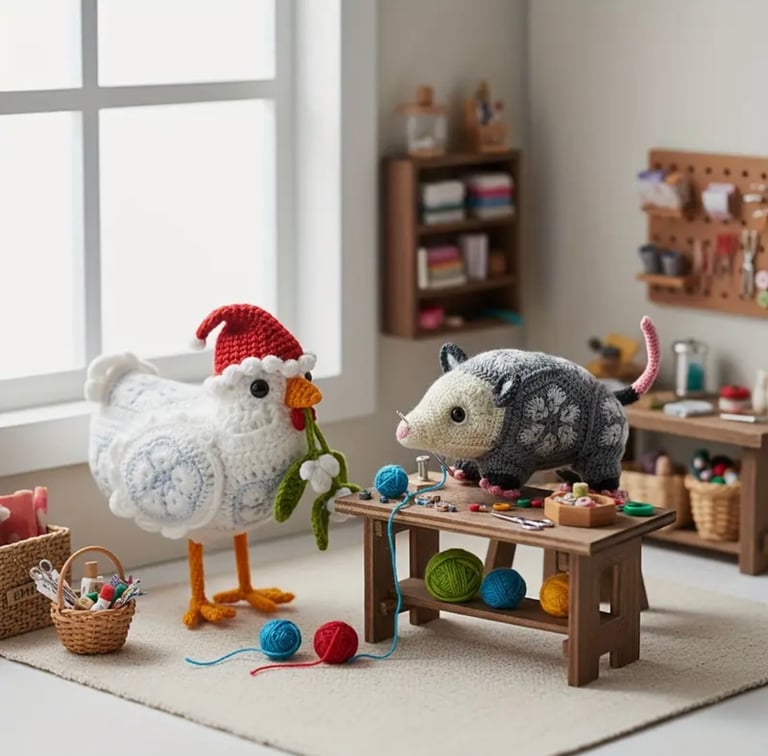
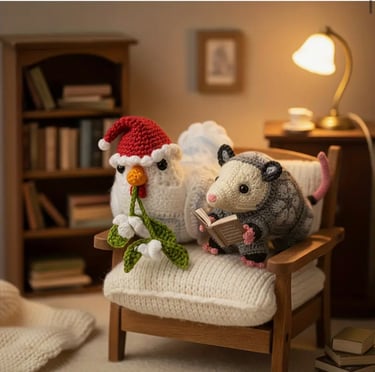
These images show two of my original creations—now copied and listed for sale on a well-known budget marketplace.
Look closely and the issues become obvious.
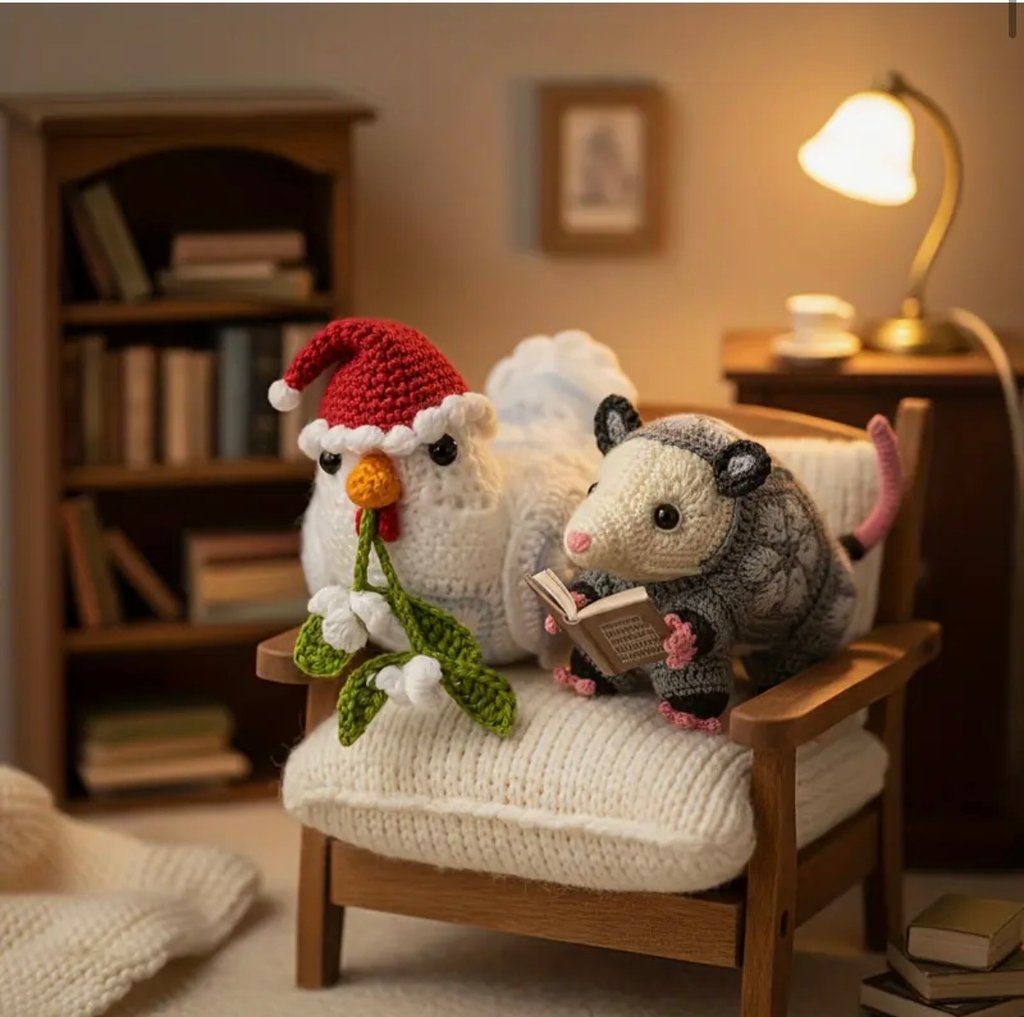
Blossom the Opossum appears to have two sets of front legs. The shapes look overly perfect, yet the stitches themselves are blurred and undefined. It’s a clear sign something isn’t right.
There’s an important difference between placing a real handmade piece onto an AI-enhanced background, and presenting a fully AI-generated design as if it were a genuine crochet pattern.
If something looks too perfect to be real, it's usually AI.
I’ve added photos of my actual handmade pieces below for comparison—real stitches, real structure, and the natural variation that comes with true craftsmanship.
Please stay mindful and support authentic makers
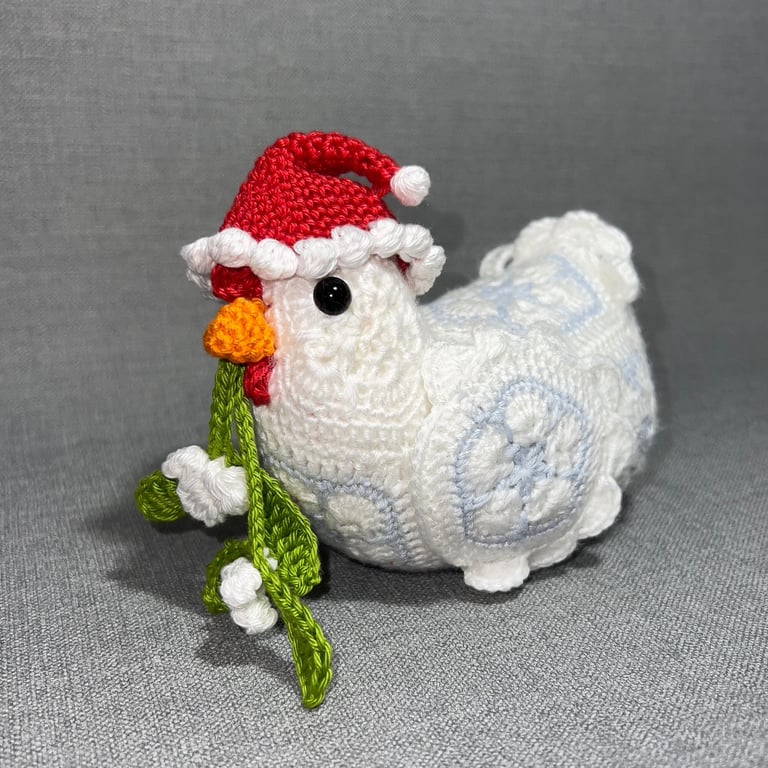
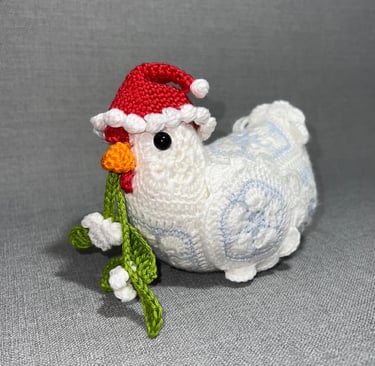
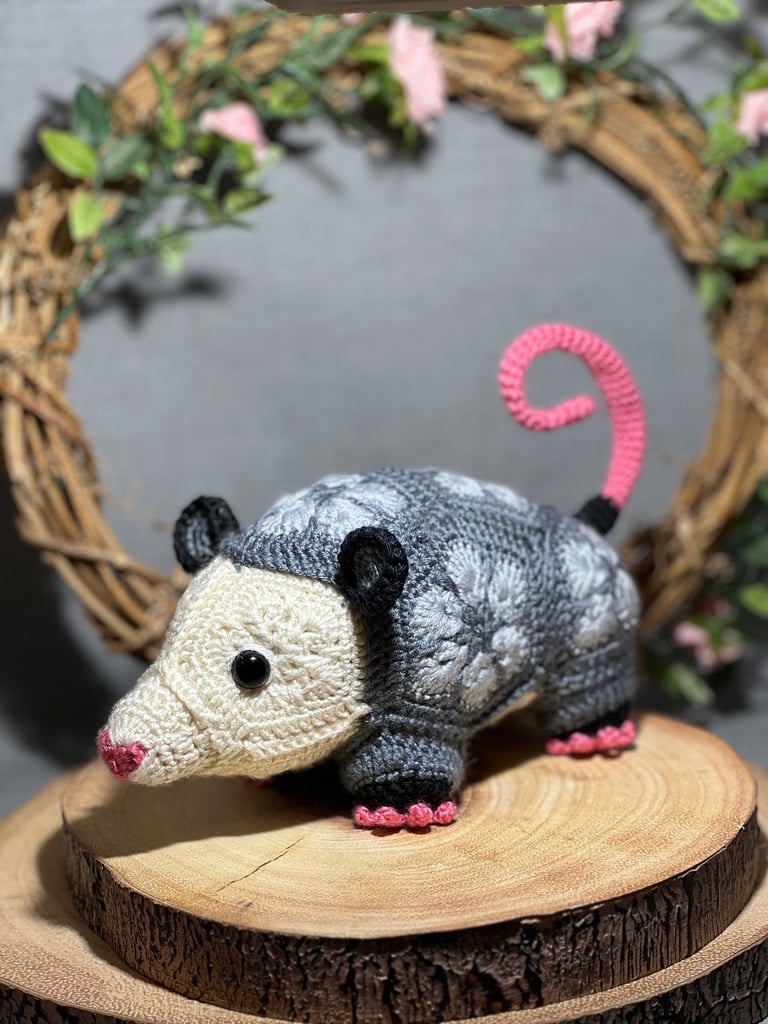
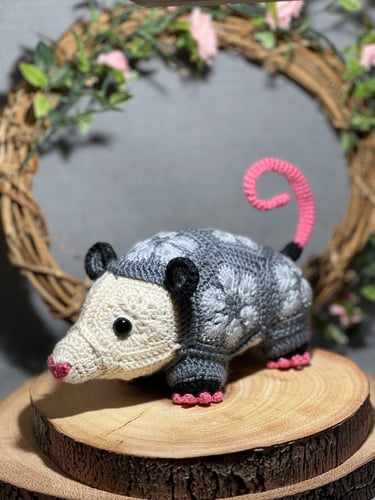
My original work above, compared to the over processed image below.