The History of African Flower Crochet
Technique, History, and Cultural Influence of African Flower Crochet. How and where this beautiful form of crochet originated and how I use it to create animals and birds. The history of african flower crochet all in one place.
Sarah Barratt
Where did it all start?
African Flower crochet is a vibrant and visually striking technique known for its floral motifs and geometric construction. Often associated with bold colour combinations and hexagonal shapes, this style has become a favourite among modern crocheters. Despite its name, the origins of African Flower crochet are more contemporary and global than purely traditional, yet its aesthetic is deeply inspired by African art and design.
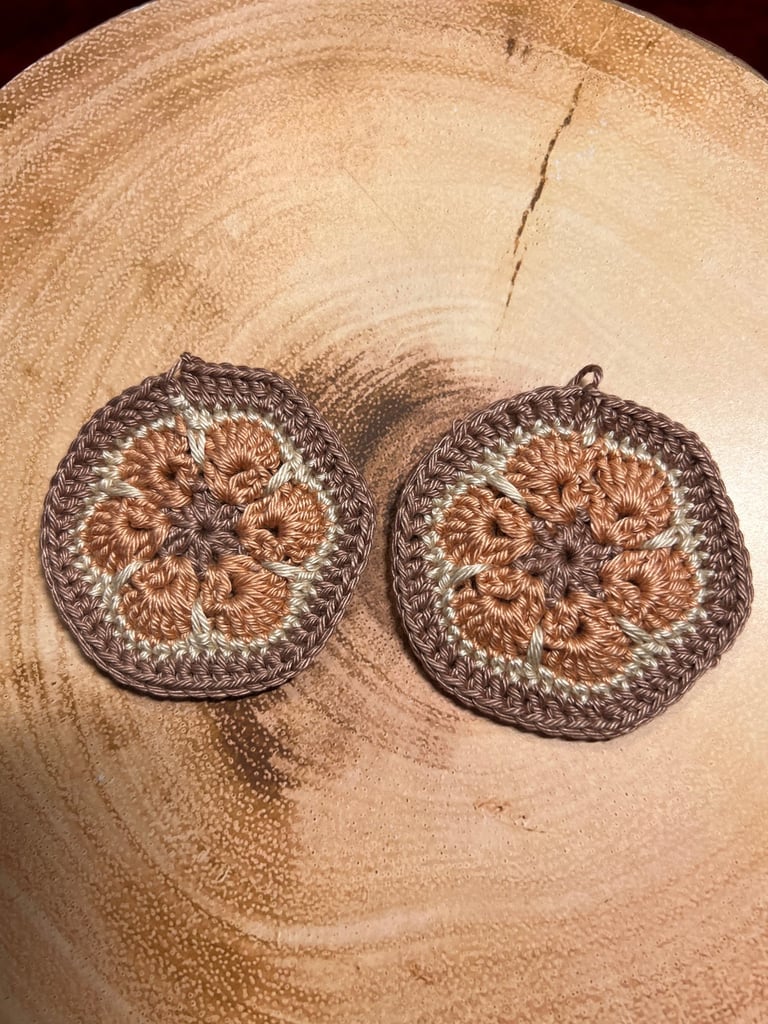
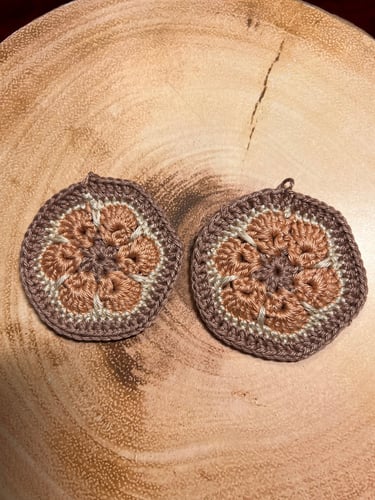
The African Flower motif is typically constructed in rounds, beginning with a small circular centre and expanding outward into petal-like shapes. These petals are then framed into a polygon—most commonly a hexagon—allowing individual motifs to be joined together seamlessly. The result is a patchwork-like fabric that is both flexible and structurally strong.
This technique gained popularity in the early 21st century, particularly through online crafting communities. Patterns were widely shared across blogs, forums, and social media, contributing to its rapid spread. One of the reasons for its appeal is its modular nature: crocheters can create individual motifs at their own pace and later assemble them into larger projects such as blankets, cushions, bags, or even three-dimensional forms like toys.
While African Flower crochet is not an ancient traditional method in the same sense as some textile arts, its design language draws heavily from African cultural aesthetics. Bright, contrasting colours and repeating patterns echo the visual traditions found in African textiles, beadwork, and prints. These elements emphasise rhythm, symmetry, and bold expression.
The technique also reflects broader values often associated with communal crafting. Because motifs can be made separately and joined later, African Flower projects lend themselves well to group efforts. This collaborative aspect mirrors the communal spirit found in many traditional crafts around the world, where shared work strengthens social bonds.
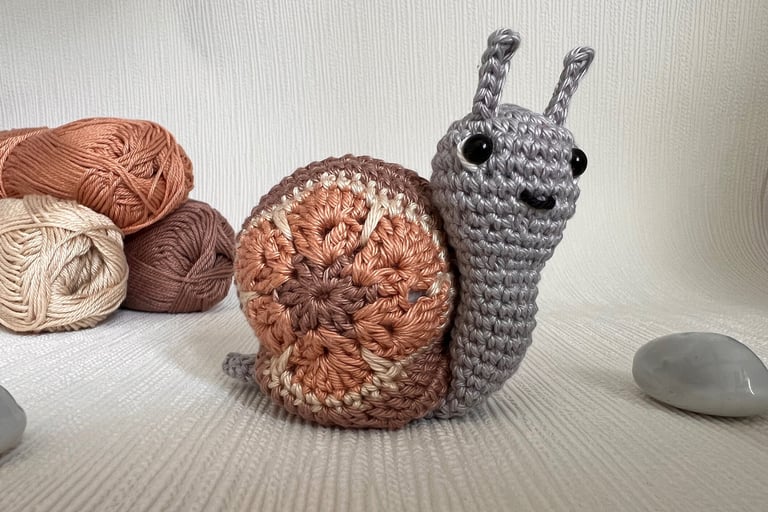
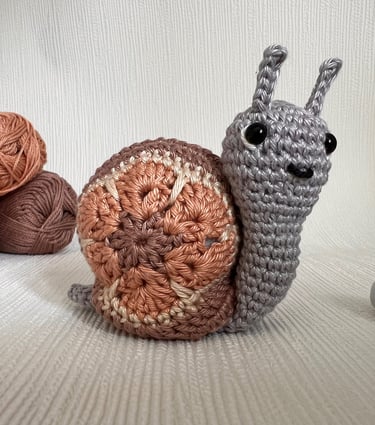
In recent years, African Flower crochet has become especially well known for its use in creating intricate stuffed animals and sculptural pieces. By joining hexagons and other shapes strategically, crocheters can build complex three-dimensional forms. This has expanded the boundaries of what crochet can achieve, blending traditional handcraft with modern design innovation.
At its core, African Flower crochet represents a fusion of influences: contemporary pattern-sharing culture, global inspiration, and the timeless appeal of handmade artistry. It demonstrates how crochet continues to evolve, adapting to new ideas while remaining rooted in creativity and connection.
Whether used in a simple blanket or an elaborate sculptural project, African Flower crochet celebrates colour, geometry, and the joy of building something beautiful one motif at a time.