The History of Crochet
Origins, Evolution and Traditional Values
Sarah Barratt
Crochet, a craft known for its delicate loops and intricate patterns, carries a rich and somewhat mysterious history. Unlike knitting, which can be traced back thousands of years through archaeological finds, crochet’s origins are less clearly defined. However, what is certain is that crochet emerged as both a practical skill and an artistic expression, shaped by culture, necessity, and creativity.
The word “crochet” itself comes from the French term meaning “small hook,” which reflects the essential tool used in the craft. Crochet as we recognize it today began to take shape in Europe during the early 19th century. Before this, similar techniques existed under different names, such as tambour embroidery in France, where a hook was used to pull thread through fabric stretched on a frame. Over time, this method evolved into free-form crochet, no longer bound to a backing fabric.
Crochet gained widespread popularity during the 1800s, particularly in Ireland during the Great Famine (1845–1852). At this time, Irish crochet lace became an important economic lifeline. Families created intricate lace pieces that were sold across Europe, providing much-needed income. These designs often imitated expensive Venetian lace, making them accessible to a wider audience while preserving a sense of elegance and craftsmanship.
As crochet spread across Europe and beyond, it became deeply embedded in domestic life. Patterns were shared through magazines and passed down through generations, transforming crochet into both a communal and personal tradition. Each region developed its own motifs, stitches, and techniques, reflecting local culture and aesthetics.
Traditional values in crochet are closely tied to patience, resourcefulness, and storytelling. Historically, crochet was often used to create practical items—blankets, garments, and household textiles—using whatever materials were available. This adaptability made it especially valuable in times of hardship.
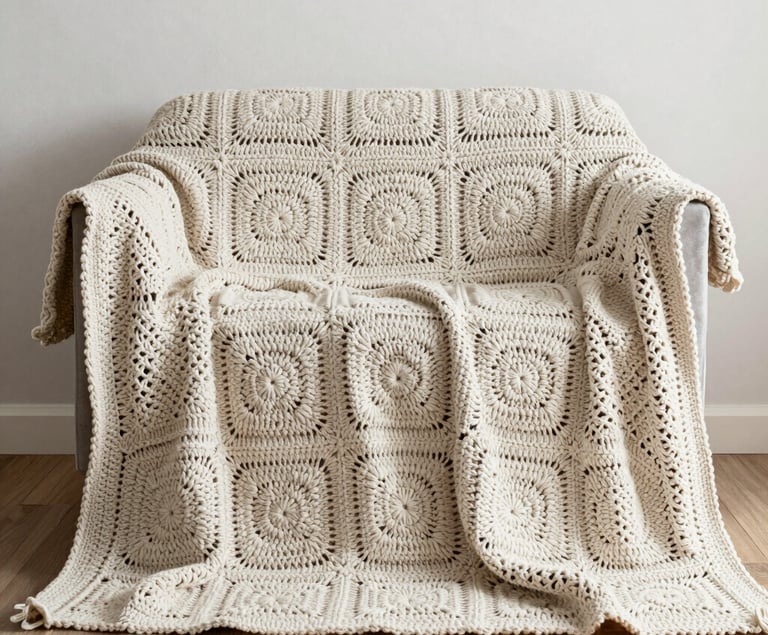
Beyond practicality, crochet has always carried emotional significance. Handmade items often symbolized care, love, and connection. A crocheted blanket or garment was not just an object but a tangible expression of time and effort invested in someone else. This sense of intentional creation remains a core value of the craft today.
In modern times, crochet continues to evolve. While it honors its historical roots, it has also embraced innovation, appearing in contemporary fashion, art installations, and sustainable design movements. Yet despite these changes, the essence of crochet remains unchanged: a simple hook, a strand of yarn, and the human desire to create something meaningful.
Crochet’s story is one of resilience and creativity—an enduring craft that connects generations through shared skill and tradition.